
Choose PoE hardware from the deployment backwards
Start with the endpoint, cable distance, environment, uplink and power budget. Those constraints define the useful product shortlist.
How to choose the right PoE hardware
A useful shortlist starts with four constraints. Confirm these before comparing model numbers.
Endpoint load
Count the powered devices and record the maximum wattage required by each endpoint.
Power budget
Check per-port output, total available power and practical headroom for future changes.
Link design
Define cable distance, uplink bandwidth and whether copper or fiber is required.
Environment
Confirm indoor, outdoor or industrial conditions, mounting and protection needs.
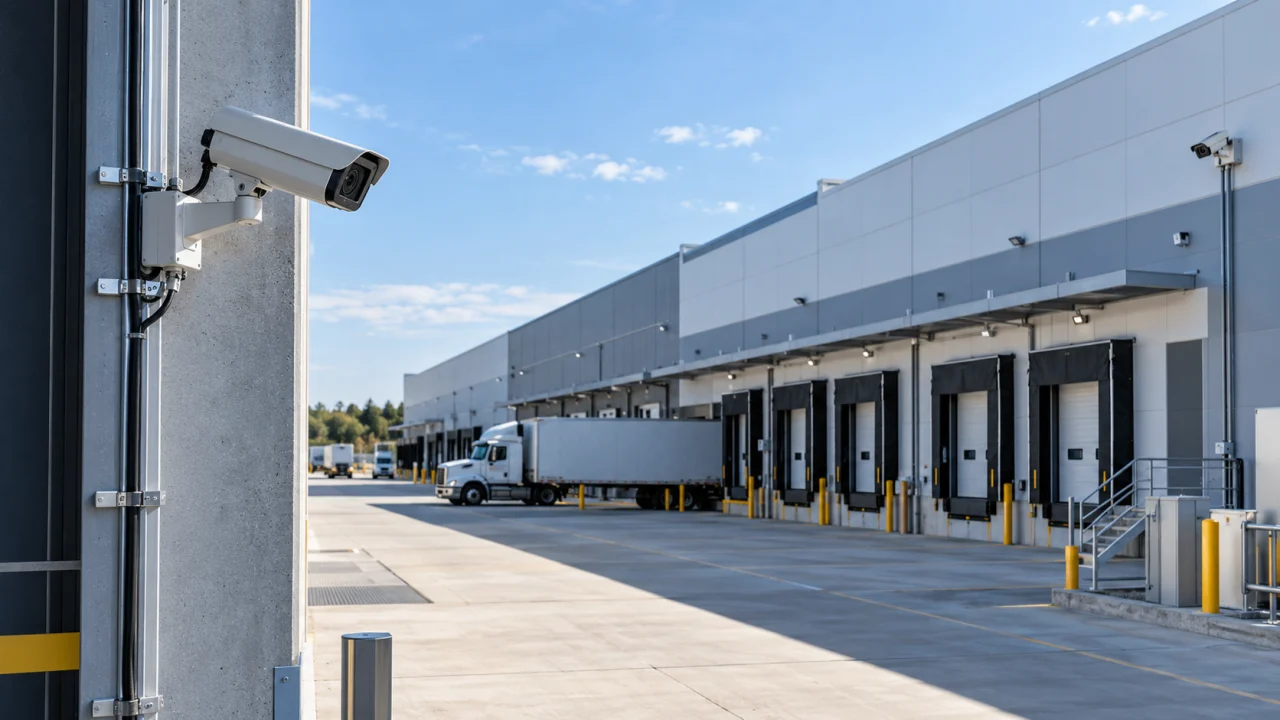
IP surveillance
Plan the camera network around endpoint count, power draw, uplink capacity and the longest cable run.
What to confirm
- Camera quantity and maximum wattage
- NVR or aggregation uplink speed
- Indoor, outdoor or exposed cable runs
- Grounding and surge protection needs
Enterprise Wi-Fi and wireless access
Access-point density and uplink demand matter as much as the nominal PoE standard.
What to confirm
- Access-point model and PoE requirement
- Coverage density and installation height
- Gigabit or multi-gigabit uplink
- Redundancy and maintenance access

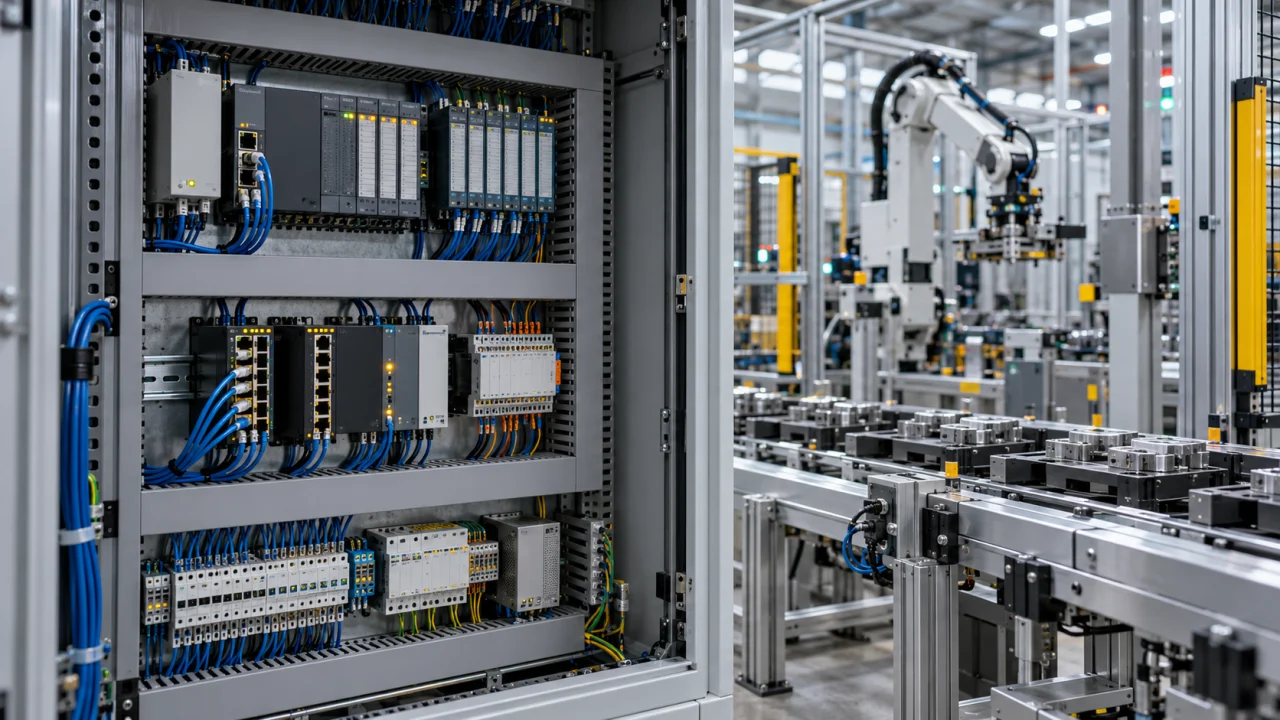
Industrial networking
Industrial deployments add temperature, mounting, power-input and electrical-noise constraints to the network design.
What to confirm
- DIN-rail or rack installation
- DC input range and redundancy
- Copper and fiber uplink requirements
- Temperature, EMI and surge conditions
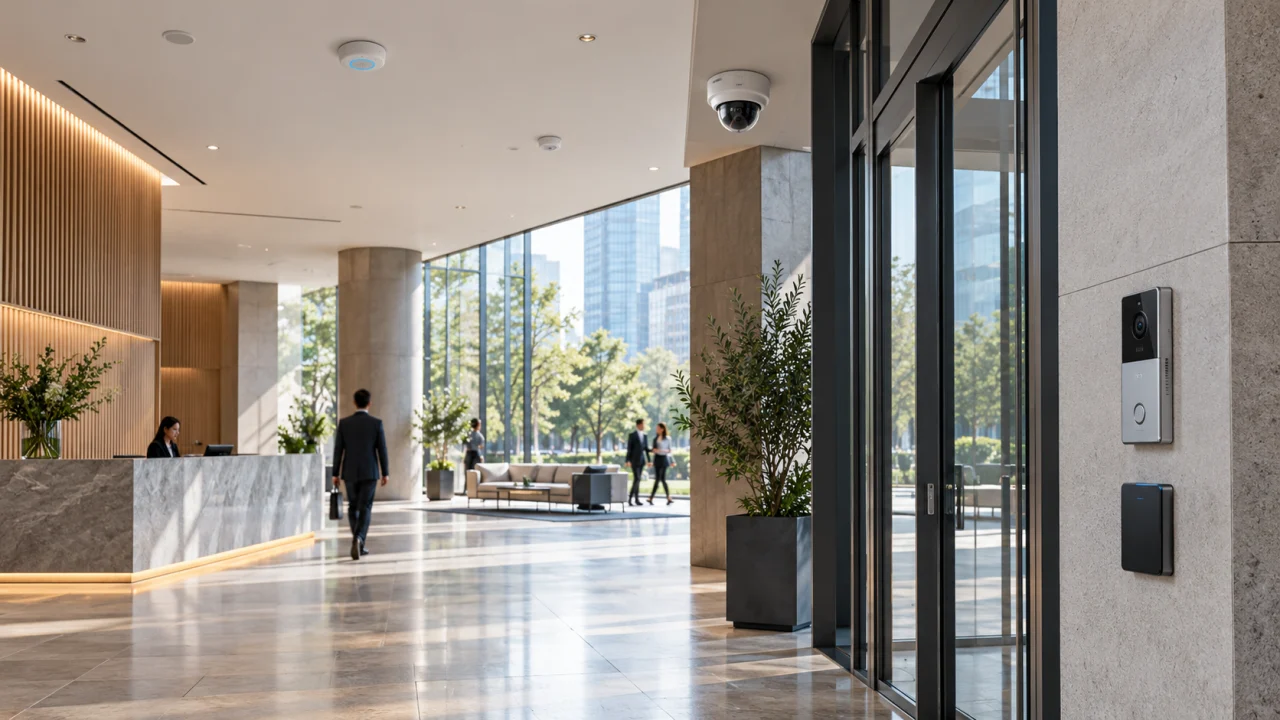
Smart buildings
A single building network may combine access control, intercoms, cameras, sensors and wireless endpoints.
What to confirm
- Endpoint mix and location
- Per-port and total power budget
- Network segmentation requirements
- Expansion and service access
Special deployment paths
Outdoor and long-distance links
Confirm enclosure protection, grounding, cable length, surge exposure and whether an extender or fiber segment fits the installation.
OEM and private label
Confirm the target configuration, annual volume, destination market, branding, packaging and validation requirements before sampling.
Five details make the first recommendation faster
- Endpoint device and quantity
- Per-port and total power requirement
- Uplink speed and interface
- Maximum cable distance
- Indoor, outdoor or industrial environment